what are you looking for?
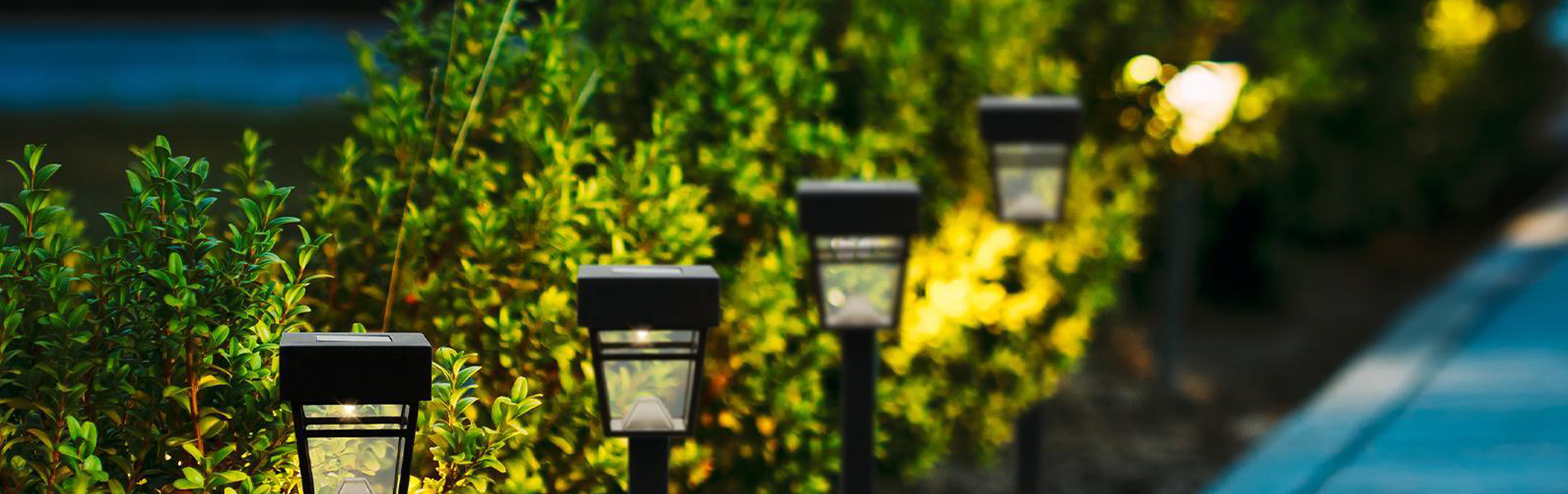
Installing solar lights involves more than choosing a fixture and mounting it in place. Their performance depends on sunlight exposure, installation location, mounting stability, and the amount of illumination required. Before starting, consider how the area will be used after dark and identify the locations where lighting is most needed. Pathways, entrances, gardens, driveways, and outdoor seating areas may have different lighting requirements, so planning the layout first can help avoid poorly lit spots and unnecessary fixtures.
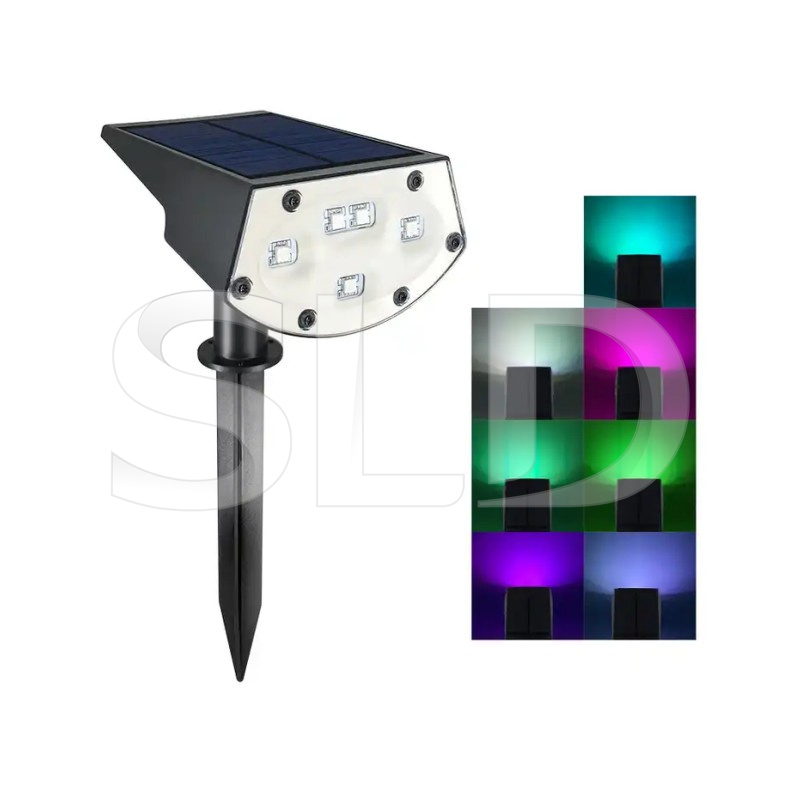
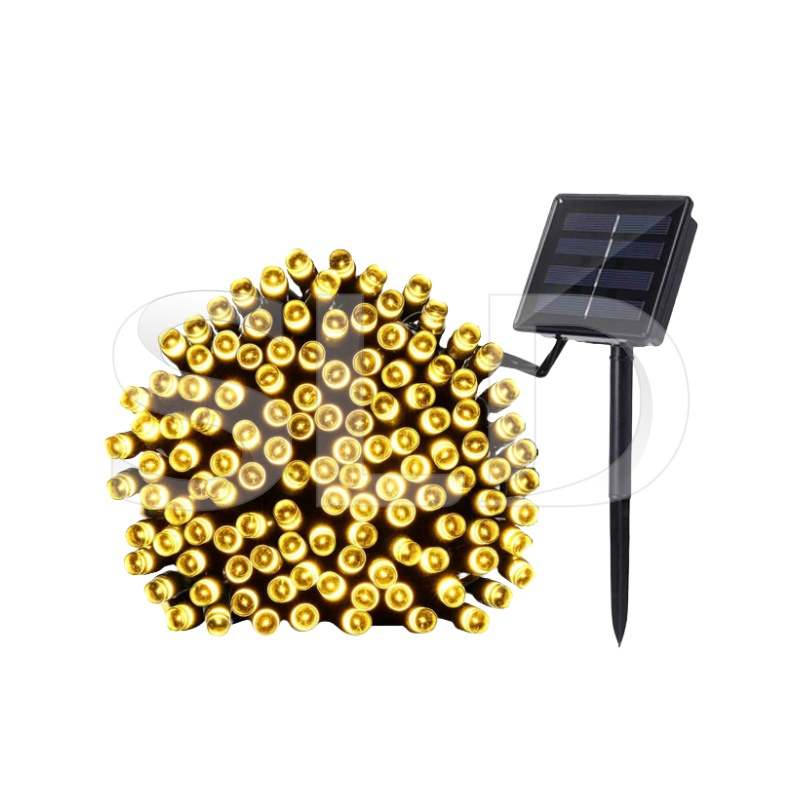
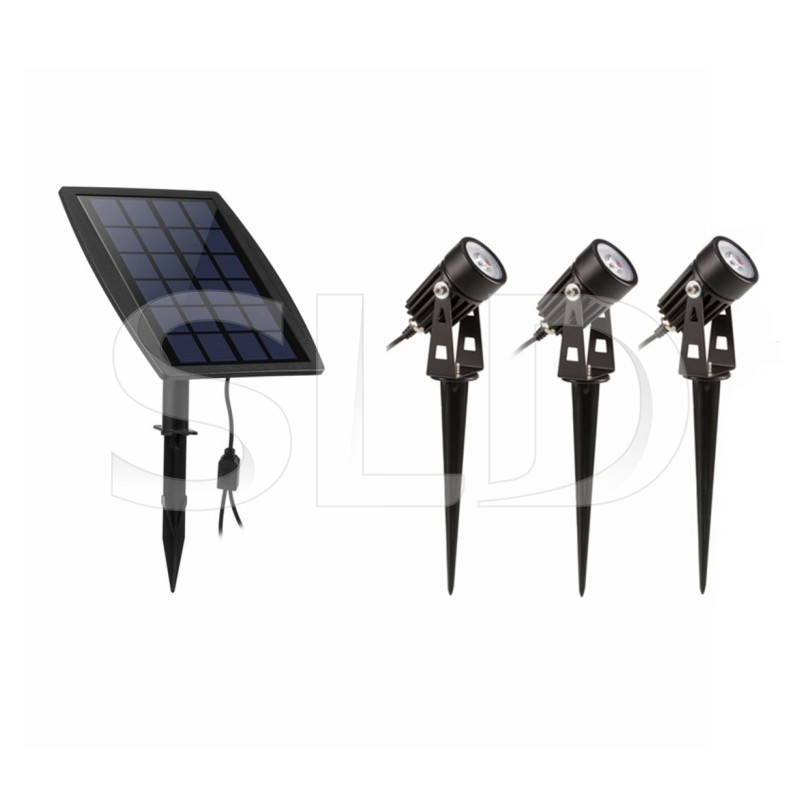
Sunlight exposure is one of the most important factors to check. Solar panels collect energy during the day, which is stored in a rechargeable battery and used to power the LEDs at night. Buildings, trees, fences, and roof overhangs can cast shadows that reduce charging efficiency. When installing solar powered outdoor light, choose locations that receive sufficient direct sunlight for the product’s charging requirements. If the panel is separate from the light, position it where it can receive adequate sunlight without placing the fixture itself in an unsuitable location.
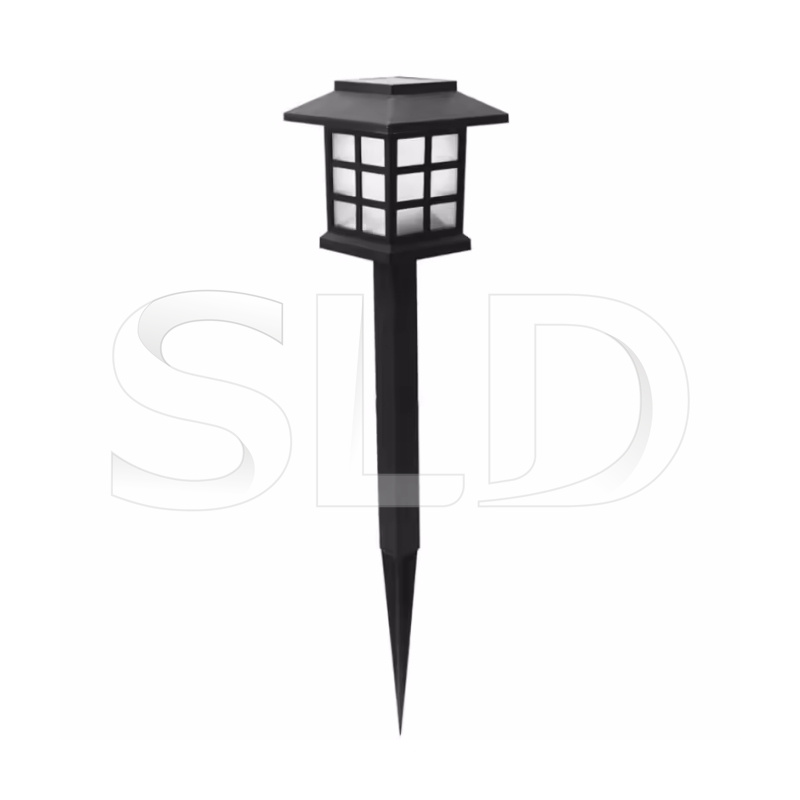
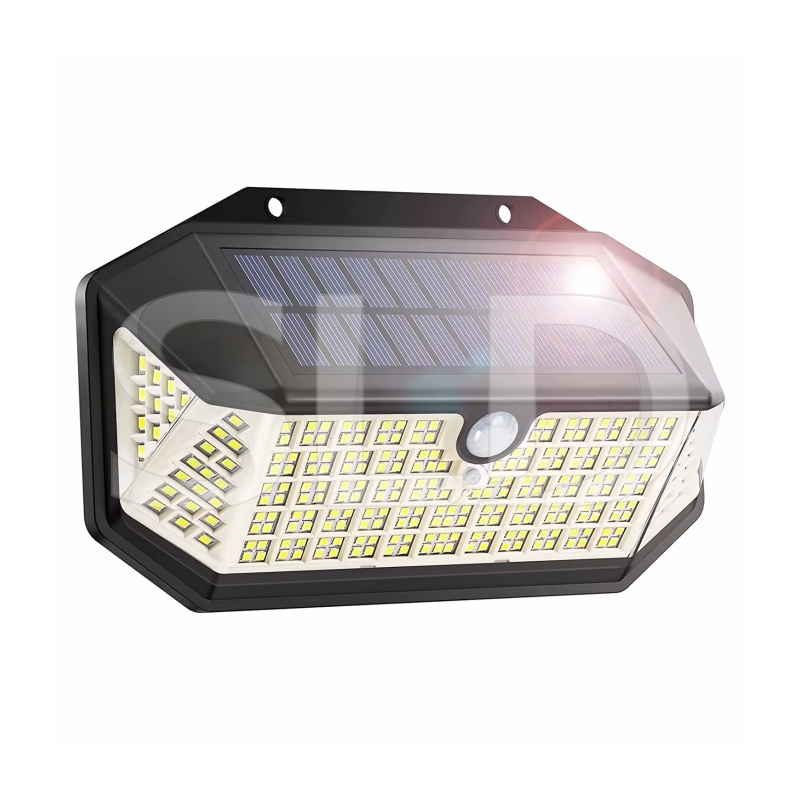
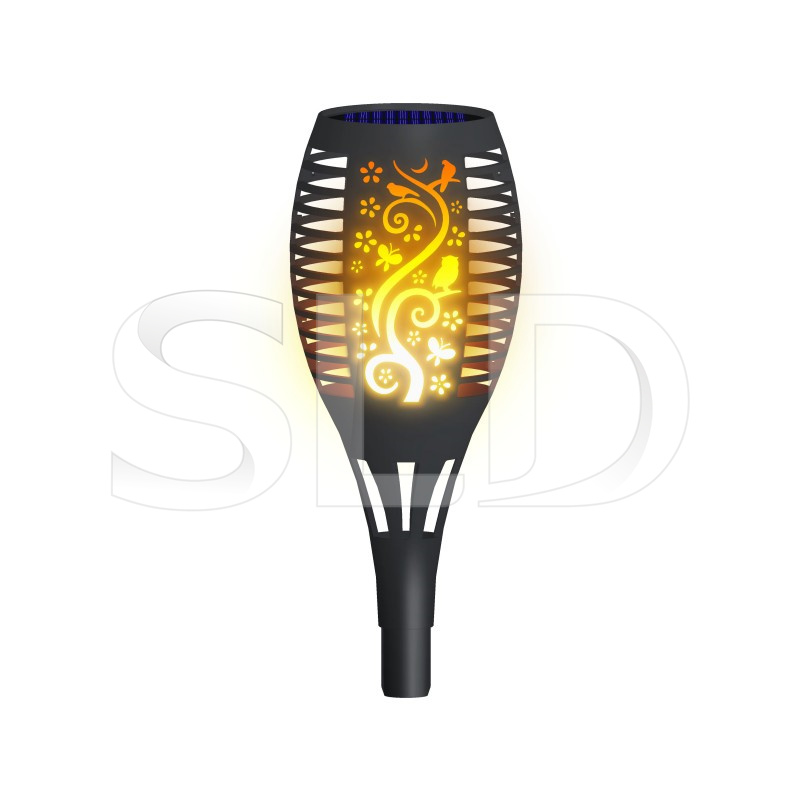
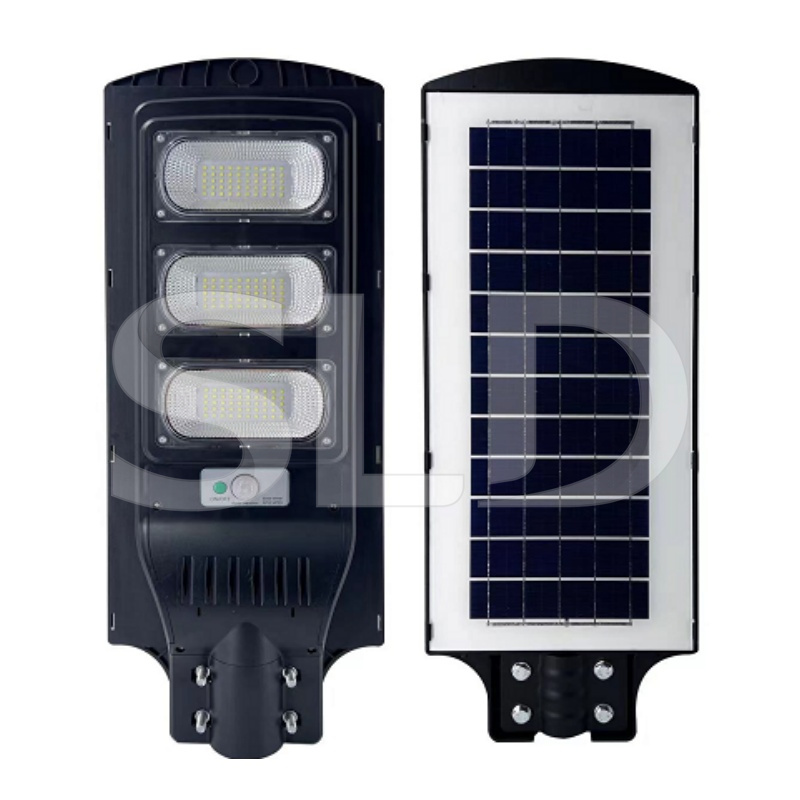
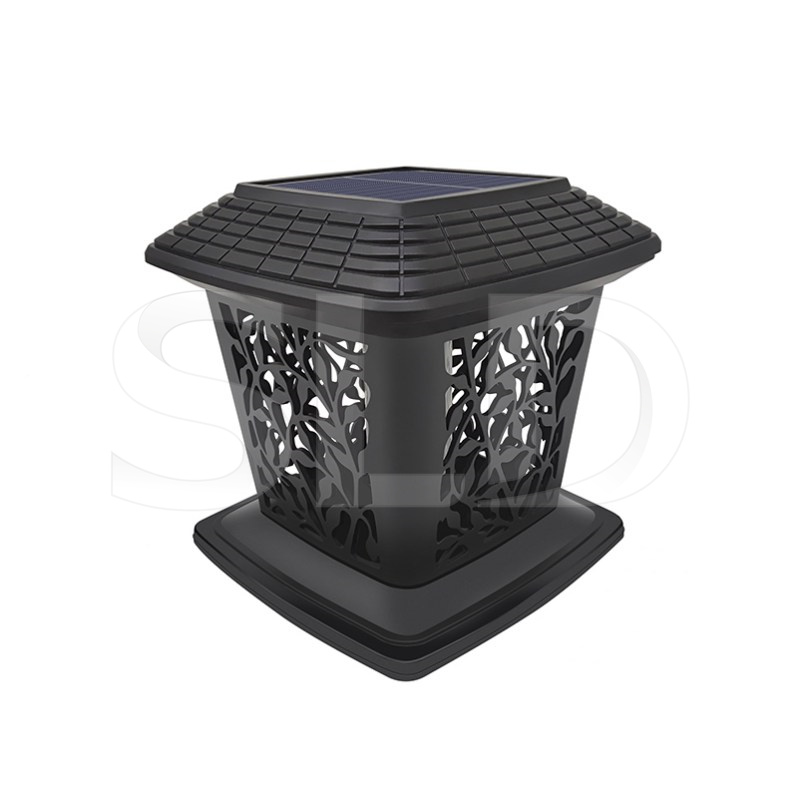
The mounting surface and installation height also affect performance. Wall mounted solar LED lights need secure fixing points, while outdoor solar garden lamps and pathway lights should be installed where they are unlikely to be knocked over or obstructed by plants. Check the manufacturer’s instructions for mounting height, panel orientation, and any required clearance. For solar lights, consider the beam angle and brightness as well as the fixture’s position. A light aimed too high may cause glare, while one placed too low or behind an obstruction may not illuminate the intended area effectively.
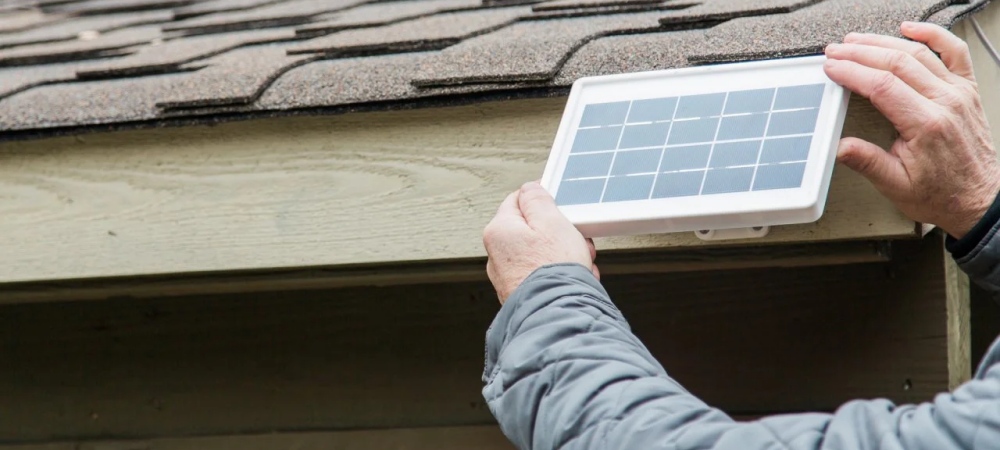
Weather resistance and maintenance should be considered before installation. Outdoor fixtures are exposed to rain, dust, temperature changes, and sometimes strong winds, so the product’s protection rating and mounting method should suit the local conditions. Keep solar panels clear of leaves and accumulated dirt, and make sure water cannot collect around parts that are not designed for prolonged exposure. For larger properties, solar lighting systems should be planned according to the needs of each zone, with attention to the spacing between fixtures, available sunlight, and the expected operating time after dark.
Once the lights are installed, test them under normal conditions rather than assuming the initial placement is correct. Allow the battery to charge as directed by the manufacturer, then check the lighting after dark to see whether paths, entrances, steps, and other key areas are adequately illuminated. Adjust the angle or position if the light creates glare or leaves dark spots. A final check of the mounting, charging conditions, and nighttime performance can help identify installation issues early and ensure the lights are suited to the site.




Xiamen SLD Technology Co., Ltd
 Chengyi North Street, Software Park 3, Jimei District, Xiamen Fujian, China
 +86 188 5929 8629
 sales@solarlightsdo.com
 Blog | Sitemap | XML | Privacy Policy