what are you looking for?

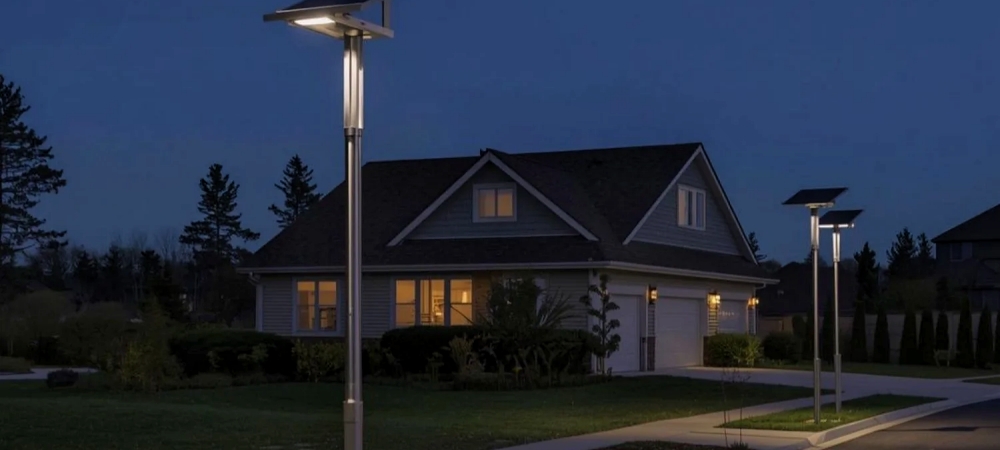
Efficiency, installation needs, and long-term operating costs are typically the deciding factors between solar lights and conventional lighting systems. Solar illumination has emerged as a viable substitute for many outdoor residential and commercial uses in recent years, particularly in locations where electrical wiring is costly or challenging. Traditional lighting still plays a significant role, but the gap between the two alternatives has been closing as solar technology advances.
Energy Source and Operating Cost
The most obvious difference is the energy source. Solar powered lights rely on sunlight and store energy in built-in batteries, which means they operate without drawing electricity from the grid. This leads to lower long-term running costs. Traditional lighting, on the other hand, depends on continuous electricity supply, which can increase monthly utility expenses, especially for large outdoor installations or long operating hours.
Installation and Maintenance
Another significant distinction is installation. Because they don't require wiring or trenching, solar lights are typically simpler to install. They are therefore appropriate for driveways, gardens, pathways, and isolated locations. Conventional lighting systems frequently need electrical planning, expert installation, and increasingly complicated maintenance over time. However, when it comes to controlling brightness and integrating with the current electrical infrastructure, older methods might provide greater flexibility.
Performance and Reliability
Particularly in settings with little sunlight, traditional lighting usually offers more constant brightness. The efficacy of outdoor solar LED lamps can be impacted by weather and battery capacity, particularly during extended periods of cloud cover or the winter. Nevertheless, with enhanced battery storage and LED technology that provides steady performance for the majority of daily outdoor lighting requirements, contemporary solar lights have greatly increased in efficiency.
Environmental Impact
From an environmental perspective, solar lighting has a clear advantage. It reduces dependency on fossil-fuel-based electricity and helps lower carbon emissions. Traditional lighting systems, while reliable, contribute to higher energy consumption over time. As sustainability becomes a priority in both residential and commercial projects, solar lighting is increasingly seen as a more eco-friendly option.
Final Thoughts
Both solar lights and traditional lighting solutions have their own strengths, and the right choice depends on the specific application and project requirements. In many modern outdoor lighting projects, solar options are preferred for their energy efficiency and ease of installation, while traditional systems are still used where higher power demand is required. Brands like SLD continue to develop solar lighting solutions that balance performance, durability, and practicality for real-world outdoor environments.




Xiamen SLD Technology Co., Ltd
 Chengyi North Street, Software Park 3, Jimei District, Xiamen Fujian, China
 +86 188 5929 8629
 sales@solarlightsdo.com
 Blog | Sitemap | XML | Privacy Policy