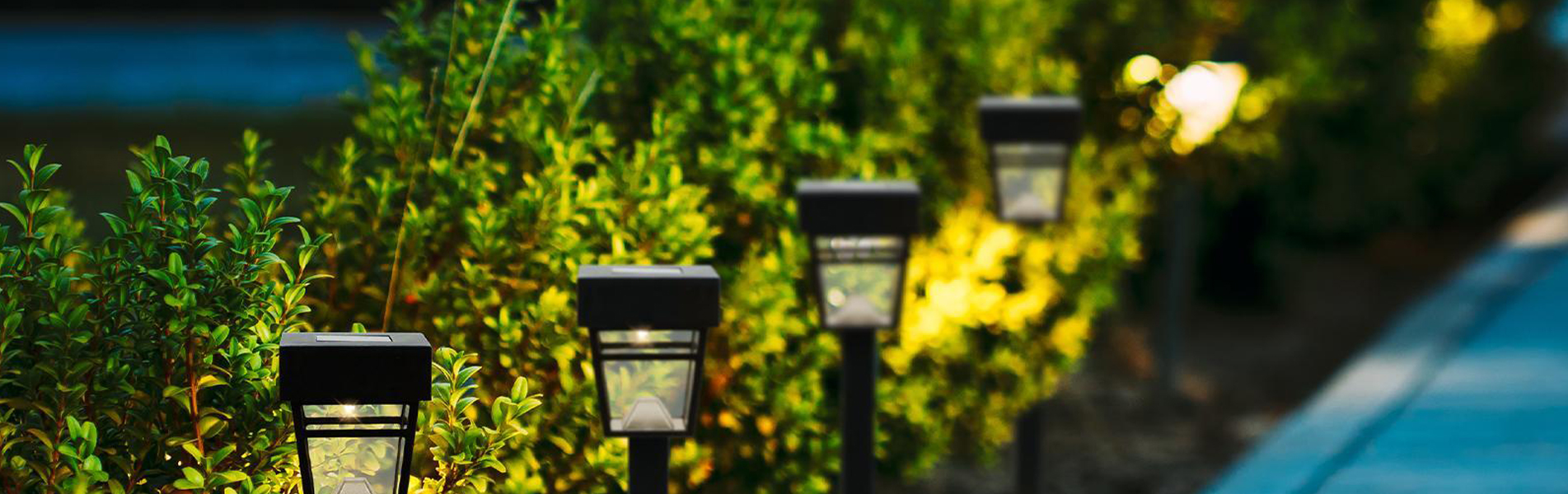
Installing solar lights in areas with limited sunlight requires more planning than simply placing the lights outdoors and waiting for them to charge. Although solar lighting relies on sunlight to recharge the battery, careful placement, proper installation, and choosing the right product can help improve performance even in shaded or partially covered locations. By understanding how light exposure affects charging efficiency, homeowners and installers can make better decisions when using solar lights in challenging environments.
Choose the Right Location for Better Charging Performance
The first step is finding the area that receives the most available daylight. Even if a location does not receive direct sunlight all day, placing the solar panel where it can capture several hours of unobstructed light can make a noticeable difference. Avoid installing lights under dense trees, behind walls, or in areas blocked by buildings whenever possible. For applications such as walkways and entrances, solar pathway lights can still perform effectively when positioned carefully to maximize available daylight.
Consider Solar Panel Placement and Installation Angle
In areas with limited sunlight, the position of the solar panel becomes especially important. The panel should face the direction with the strongest daily light exposure and remain free from dust, leaves, or other debris that could reduce charging efficiency. Some solar lighting systems allow the panel and light unit to be installed separately, giving more flexibility when the ideal lighting location does not receive enough sunlight. This type of setup can be useful for outdoor solar LED lamps installed around shaded patios, gardens, and building areas.
Select Solar Lights Designed for Lower-Light Conditions
Not all solar lights perform the same way in environments with limited sunlight. Products with efficient solar panels, quality batteries, and energy-saving LED technology are better suited for locations where charging opportunities are reduced. It is also important to consider the expected lighting duration and brightness requirements before installation. For decorative or landscape applications, solar outdoor garden lights with efficient power management can provide reliable illumination while adapting better to changing weather and seasonal sunlight conditions.
Maintain the System for Long-Term Performance
When solar lights are deployed in areas with less than optimal sunshine, regular maintenance is crucial. Stable performance may be maintained by cleaning the solar panel, keeping an eye out for shade variations brought on by growing plants, and making sure the battery is still in excellent shape. Even though less sunshine may shorten the charging period, solar lights can still provide useful and energy-efficient outdoor lighting with the right installation and product choice.
The major goal of installing solar lights in places with little sunshine is to make the most of the resources available rather than staying away from these areas entirely. Even in situations where direct sunshine is not always available, solar lighting may continue to be a dependable solution for many outdoor locations with careful installation, the appropriate equipment, and routine maintenance.