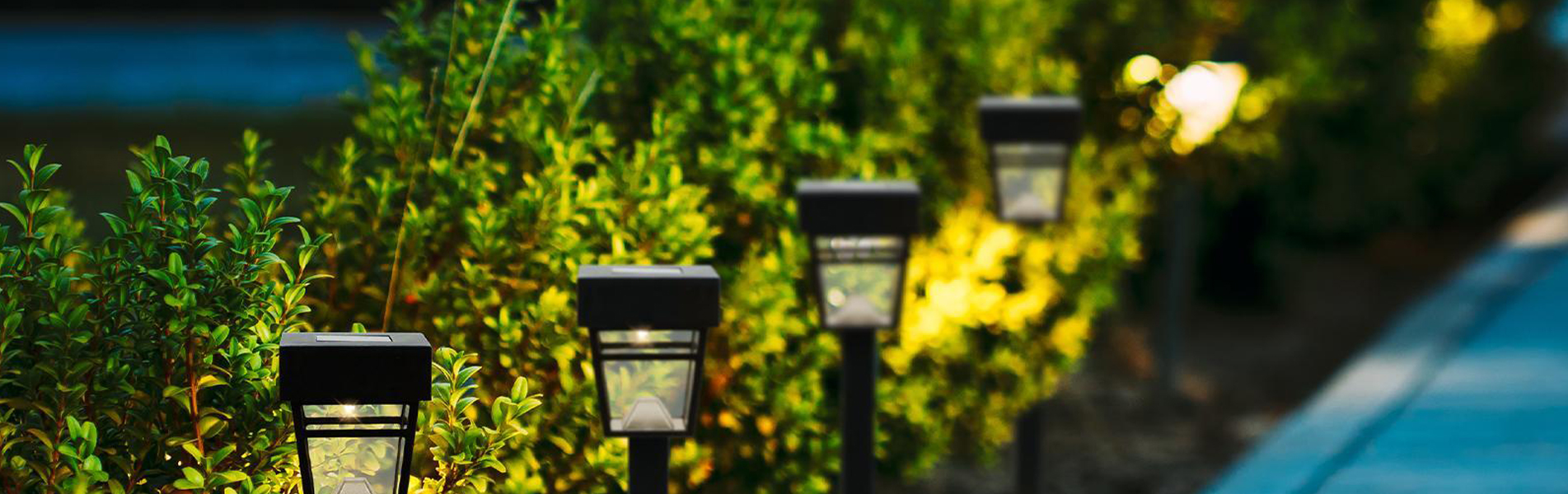
Solar lights offer a convenient and environmentally friendly way to light up outdoor areas such as gardens, patios, pathways, and fences. Although they need less upkeep than traditional lighting, proper maintenance can greatly improve their performance and durability. Knowing how to care for your solar lights helps ensure they stay bright year after year.
Keep Solar Panels Clean
One of the easiest yet most crucial ways to prolong your solar lights’ life is by keeping the solar panels clean. Dust, dirt, and debris can block sunlight from reaching the panels, reducing their charging efficiency. Wiping the panels gently with a damp cloth every few weeks helps maintain optimal energy absorption. For instance, outdoor solar garden lights are often close to the ground where soil and leaves may cover the panels, so regular cleaning is essential for consistent performance.
Place Lights to Receive Maximum Sunlight
Where you position your solar lights greatly affects their lifespan. Make sure they are placed in spots that get at least six to eight hours of direct sunlight daily. Avoid shaded areas under trees or near tall buildings that block sunlight. Proper placement allows the lights to fully charge and function throughout the night. When installing solar powered wall lamps, tilt them slightly toward the sun to improve charging efficiency and extend battery life.
Replace Batteries When Necessary
The rechargeable batteries in solar lights usually last between one and two years before their capacity diminishes. If your lights start to dim or run for shorter periods, it’s probably time to change the batteries. Always use high-quality rechargeable batteries compatible with your specific light model. This simple swap can restore brightness and lengthen the overall lifespan of your solar lighting system.
Shield Lights from Harsh Weather
Although solar lights are made for outdoor use, extreme weather can still damage them over time. Heavy rain, snow, and intense heat can wear down their components. During severe winters or storms, consider moving delicate lights indoors temporarily or using weatherproof covers. Solar pathway ground plug lamps especially benefit from regular checks since they are often exposed to water or physical impact.
Carry Out Regular Maintenance
Consistent maintenance is essential to keep solar lights working well. Inspect for loose connections, corroded contacts, or cracked casings. Keeping the lights in good shape not only maintains their appearance but also prevents performance problems. Spending a little time on upkeep ensures your solar lights provide reliable, energy-efficient illumination for many years.
In summary, extending the life of your solar lights depends on regular care and attention. Keeping panels clean, placing lights properly, replacing batteries on time, and protecting them from weather all help ensure long-lasting, dependable outdoor lighting.
Proper maintenance of solar lights is crucial to ensure they provide consistent brightness and longevity, especially in residential and commercial settings. Whether you’re lighting a backyard in Florida or illuminating pathways in a European city, taking care of your solar fixtures can significantly enhance performance and reduce replacement costs. Using reliable products such as SLD solar wall lights can make maintenance simpler and more effective.
The first step in maintaining solar lights is to keep the solar panels clean. Dust, dirt, and debris can reduce the efficiency of energy absorption, leading to dim or inconsistent lighting. Regularly wiping the panels with a soft cloth and mild cleaner ensures that outdoor solar garden lights continue to charge efficiently throughout the day. In areas with frequent rain or pollution, this step becomes even more important for maintaining optimal performance.
Next, inspect the batteries and connections periodically. Most solar lights use rechargeable batteries that lose capacity over time, so replacing them as needed ensures that solar post lights remain reliable during long nights. Checking electrical contacts and connections for corrosion or damage also prevents potential failures. This is particularly important in coastal or humid regions, where exposure to moisture can accelerate wear and tear.
Proper positioning is another key factor in maintenance. Ensure that your solar lights receive sufficient sunlight and are not shaded by new plant growth or seasonal changes. For example, adjusting solar string lights along walkways or fences can maximize solar charging while maintaining even illumination. Correct placement also helps prevent overworking the batteries and reduces the risk of premature failure.
Finally, schedule regular overall inspections. Examine the housing for cracks, moisture ingress, or signs of wear, and tighten any loose fittings. Seasonal checks, especially before winter or rainy periods, can prevent long-term damage and keep the lights functioning efficiently. With the right maintenance routine, solar lights can provide safe, eco-friendly illumination for years, making outdoor spaces both inviting and energy-efficient.