Solar flagpole lights are an eco-friendly solution for illuminating flags during the night. They harness the power of the sun to provide a sustainable source of light. However, like any other outdoor lighting fixture, it is crucial to ensure their proper functioning to maximize their efficiency and longevity.
Placement and Sun Exposure: The placement of solar flagpole lights plays a vital role in their performance. It is essential to position the light fixture in an area that receives ample sunlight throughout the day. Avoid shading caused by trees, buildings, or other structures that can obstruct the sunlight. Adequate sun exposure will ensure that the solar panels collect enough energy during the day to power the lights through the night.
Regular Cleaning and Maintenance: Solar powered flagpole lights are exposed to outdoor elements, such as dirt, dust, and debris. Over time, these particles can accumulate on the solar panels, affecting their ability to absorb sunlight efficiently. Regularly clean the solar panels ensuring a soft cloth or sponge with mild soap and water. Additionally, check for any loose connections or damaged parts and replace them if necessary. Proper maintenance will keep the lights functioning optimally and prolong their lifespan.
Battery Life and Replacement: The battery in a solar flagpole light is essential for storing the collected solar energy and providing power when the sun goes down. To ensure proper functioning, periodically inspect the battery for any signs of corrosion or leakage. It the battery shoes any significant degradation or fails to hold a charge, it may need to be replaced. Follow the manufacturer’s recommendations regarding battery replacement to maintain the performance of this outdoor solar light.
Seasonal Adjustments: Depending on your geographical location, the amount of sunlight received throughout the year can vary significantly. It is necessary to make seasonal adjustments to optimize the operation of solar flagpole lights. During the winter months when daylight hours are shorter, consider repositioning the flagpole lights to receive maximum sun exposure. Additionally, closely monitor the performance of the lights during different seasons and make necessary adjustments to ensure they continue to illuminate the flag effectively.
SLD, Solar Lights Do, is a reputable company dedicated to producing and marketing top-notch solar lights. With a commitment to quality, our company offers an extensive selection of efficient and long-lasting solar lighting solutions tailored for outdoor applications. Whether you're in need of solar flagpole lights, solar pathway lights, or garden lights, SLD can provide. To explore our range of reliable and sustainable solar lighting products, please visit us at www.solarlightsdo.com.
Knowing what you want the lighting to do is the first step in selecting the best solar lights for your front yard. While some homeowners choose softer lighting that accentuates landscaping and fosters a friendly ambiance, others desire brighter lighting for security and visibility. Which solar lights operate best depends on a number of factors, including the size of the yard, the amount of sunlight it receives, and the location of garden features or paths.
Focus on Brightness and Placement
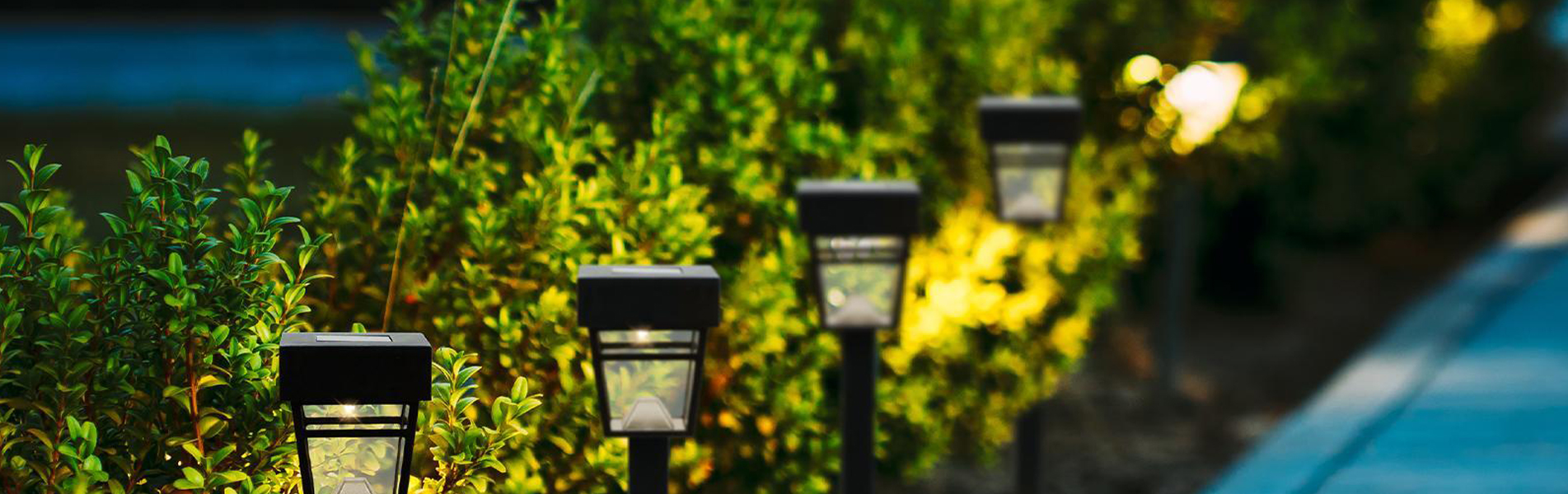
Front yard lighting should feel balanced rather than overly bright or uneven. Pathways, driveways, flower beds, and entryways usually require different levels of illumination. Solar pathway lights are ideal for guiding foot traffic safely, while wall mounted solar LED lights or solar flood lamps work better near garages and entrances where stronger visibility is needed. Positioning the lights where they can receive direct sunlight during the day is equally important, since shaded areas can reduce charging efficiency and nighttime performance.
Consider Battery Capacity and Weather Resistance
Not all solar lights perform the same throughout the year. In regions with shorter winter days or frequent cloudy weather, choosing lights with larger battery capacity can help maintain longer operating times at night. Weather resistance is another important factor, especially for front yards exposed to rain, snow, or high humidity. Durable materials and properly sealed solar panels help prevent moisture damage and extend the lifespan of the lighting system.
Match the Design to Your Home
Solar lights should complement the overall appearance of the property. Modern homes often pair well with minimalist black or stainless-steel fixtures, while warmer decorative styles may suit traditional landscapes better. It also helps to avoid overcrowding the yard with too many fixtures. A few well-placed lights usually create a cleaner and more attractive result than excessive lighting scattered throughout the space.
Think About Long-Term Maintenance
Although solar lights require less maintenance than wired outdoor lighting, regular cleaning still matters. Dust, leaves, or snow covering the panels can reduce charging performance over time. Checking the batteries periodically and keeping the panels clean helps maintain brightness and efficiency. Choosing reliable products from trusted manufacturers can also reduce replacement frequency and improve long-term performance.
The ideal solar lights for a front yard are those that strike a balance between durability, efficiency, brightness, and beauty for the particular layout of the property. Homeowners can enhance curb appeal and evening visibility by carefully arranging the placement and choosing high-quality outdoor lighting. Because SLD solar lights combine performance, durability, and modern appearance, many homeowners pick them for trustworthy outdoor lighting options.